Social Media Written News Story: Inverted Pyramid
At Home Coffee Reaches Highest Level in More Than a Decade
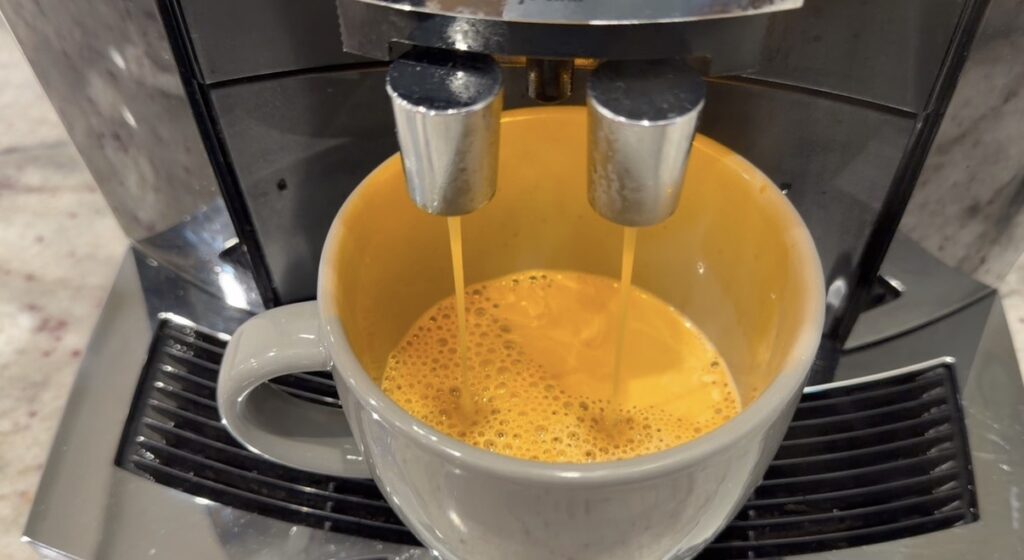
As coffee continues to be a part of the daily routine for many Americans, some individuals are choosing to make their coffee at home while others continue to visit coffee shops for convenience.
Coffee continues to be a large part of Americans’ daily lives, but recently more people are choosing to make their coffee at home.
According to the National Coffee Association Spring 2026 National Coffee Data Trends Report, 85% of people within the past day had their coffee made at home, this is the highest percentage since 2012. The report also said that 66% of American adults drank coffee in the past day, this makes coffee one of the most popular drinks in the United States.
For Jennifer Spivey, preparing coffee at home is more than just about saving money.
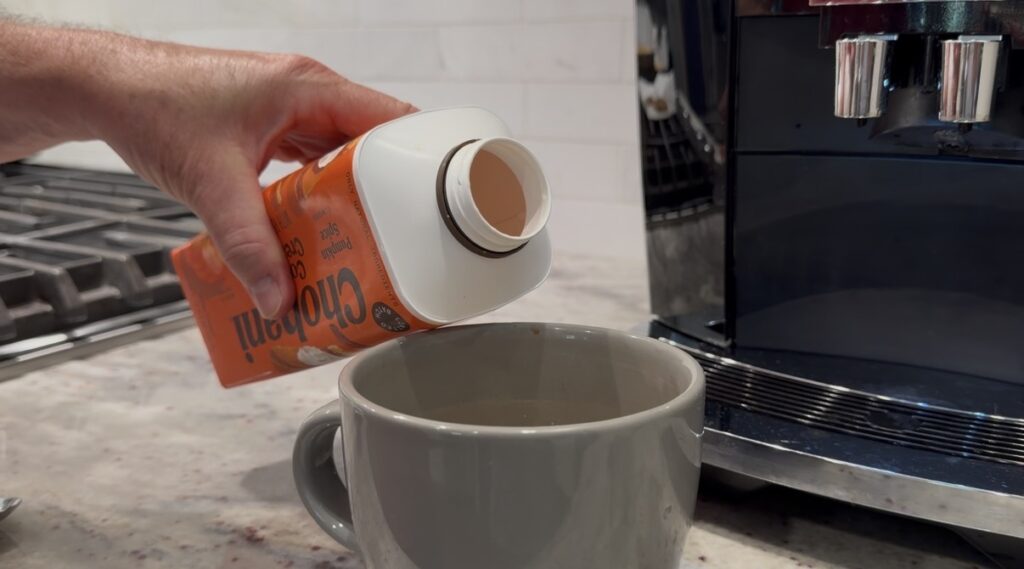
“I like to have my coffee at home because it is cheaper and add my own natural ingredients,” Spivey said. “I drink coffee every morning, every day, and for me it is not just about the coffee, it is about the environment.”
Jennifer Spivey mentioned how preparing coffee at home gives her a personal way to begin her day.
“Being in my home allows me to have an intimate experience and a way to get up each morning,” she said.
The National Coffee Association’s data reported that the amount of people preparing coffee at home continues to increase daily. The organization’s research was based on a survey size of 1,850 Americans above the age of 18 and recorded in January 2026.
However, those who value convenience and consistency, choose to visit a coffee shop often.
Blake Spivey said he gets a coffee from a coffee shop around three times a week, but it also depends on his travel schedule for work.
“I do like to make coffee at home, but it depends on how much time I have,” he said.
For Blake Spivey, the consistency that a coffee shop offers is what keeps him going back for more.
“Coffee shops are worth it to me for consistency,” he said. “I know every time what I am getting, and it always meets my needs and expectations.”
The amount of coffee consumed continues to grow. The National Coffee Association stated that 66% of Americans drank coffee in the past day and 73% within the past week.
The organization also mentioned that specialty coffee is growing in popularity. The 2026 data reported that 58% of American adults drank specialty coffee in the past week, this includes espresso, cold brew, and other options.
The difference between Jennifer and Blake Spivey’s daily routines is they each decide whether to make their own coffee or to choose to go to a coffee shop. Preparing a coffee at home creates a personal and cost-effective experience, while coffee shops are convenient and provide consistent quality for the cost.
As coffee continues to be incorporated into many Americans lives daily, coffee drinkers have an enormous number of options to choose where and when they want it.
Social Media Video News Story: Inverted Pyramid
Social Media Written News Story: Narrative/Anecdotal Style
Plastic or Glass? What to Know About Food Storage
An everyday kitchen choice is raising questions about food-contact materials, chemicals and how containers should be used.
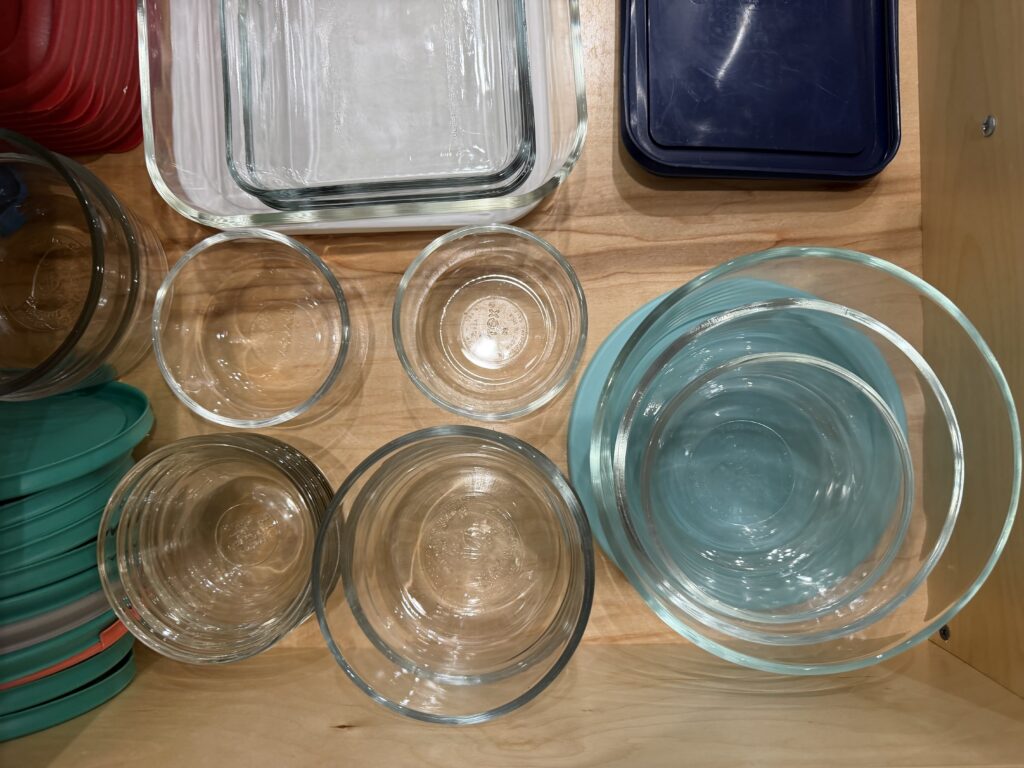
When Emree Spivey opens the cabinet where the food containers are stored, she normally reaches for the glass containers. The clear containers have become a staple in her kitchen, as she finds it “a lot more aesthetic than tupperware containers”
For Spivey, glass is “more durable and never has to worry about chemicals ending up in her food when heating a dish.” Her preference shows a growing question for many: Does the type of container to store food really matter?
The answer is a complicated one, that leaves people choosing both types. Food storage containers come into contact with food, as well as packaging, cookware, and other materials. The U.S. Food and Drug Administration assesses the materials and determines whether the chemicals end up on the food and if it is safe to consume.
This issue has continued to grow. May 2026, the FDA released an evaluation done for phthalates, which is a type of chemical that is used in many food-contact applications. It was reported that the phthalates would continue to be evaluated for food-contact and would be considered for a cumulative risk assessment.
The American Academy of Pediatrics suggested that families reduce the amount of plastic used daily. BPA and phthalate chemicals can be secreted into food when high temperatures are reached. The American Academy of Pediatrics advises people to avoid heating food in the plastic containers and suggest using glass or stainless steel instead.
This does not mean that all plastic containers are harmful. The FDA states that the current BPA food containers and packaging have passed the safety assessment. It was announced that only small amounts of BPA can transfer from packaging or food containers while more scientific research is being monitored daily.
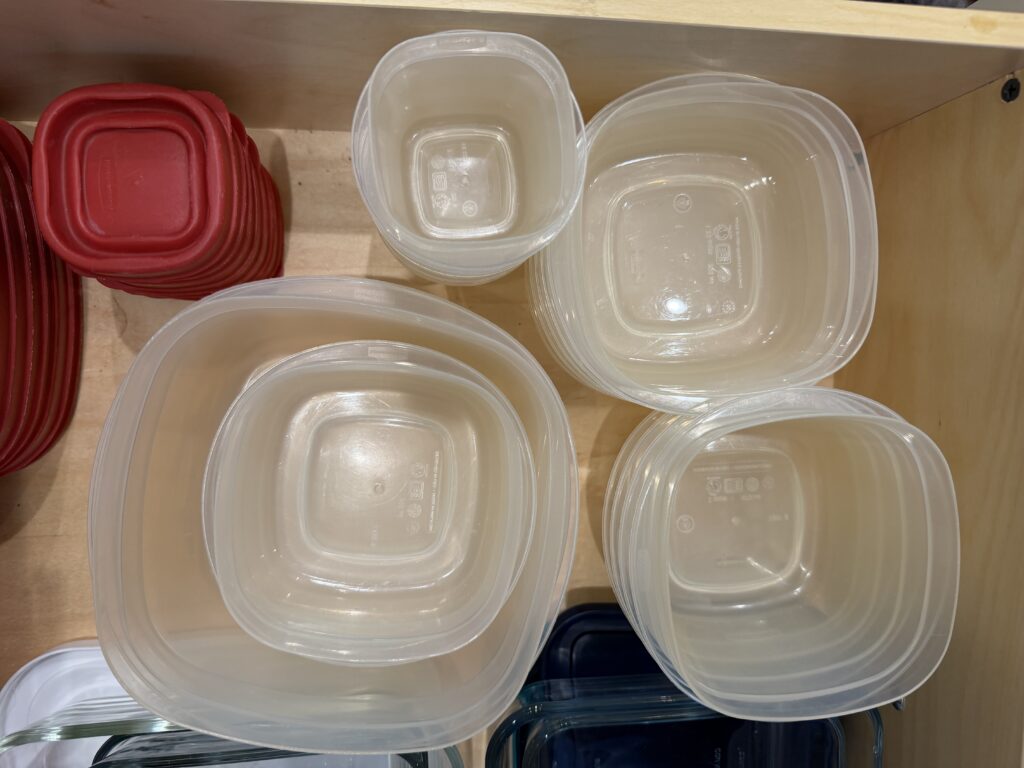
For Kaeley Owen, the issue is not very confusing. She has always used plastic food storage containers because “ as long as it stores the food well, it does not matter what type of container it is stored in.” She does not think twice about chemicals being in her food and states that “glass is much more expensive.”
The difference between Spivey and Owen shows how preference plays a huge role in this decision. The FDA states that glass containers and plastic containers can be used however, plastic containers might release small amounts of BPA or melt. Consumers always should check the labels on the item before heating it.
For Spivey, her decision remains firm. Each time she opens the cabinet for a food storage container she continues to choose glass because of the aesthetic and durability. When making this decision she has “the confidence that she is making the right choice.”
For consumers, the big question might not be between glass or plastic, but how the food container was processed, what temperature it was made to handle, and what the purpose is.